How Voyager Helped the USDA Foreign Agricultural Service Unlock Its Document Intelligence
Introduction
Federal agencies don't typically struggle to collect information. They struggle to find it again. The USDA Foreign Agricultural Service produces and manages an enormous volume of commodity intelligence — reports, forecasts, satellite-derived analyses, charts, and imagery — spread across complex documents that traditional search tools were never designed to handle. The challenge wasn't data scarcity. It was retrieval.
Date
12.09.23
Author
Voyager Editorial Team
Type
Insights
The problem with complex documents
Most document search tools are built for text. They index the words on a page reasonably well, but the moment critical information is embedded in a chart, an image, or a non-textual format, it becomes effectively invisible.
For an organization like the USDA FAS — whose analysts depend on production forecasts, yield profiles, and commodity trend data that lives inside dense, multi-format reports — that limitation has real operational consequences. Valuable intelligence sits in the repository but can't be found when it's needed.
What Voyager did differently
Voyager's approach to the FAS engagement started with comprehensive document analysis — deep indexing that identifies and categorizes every element within a document, not just the text. Using OCR technology, Voyager converted non-textual content including charts and images into searchable, indexable form.
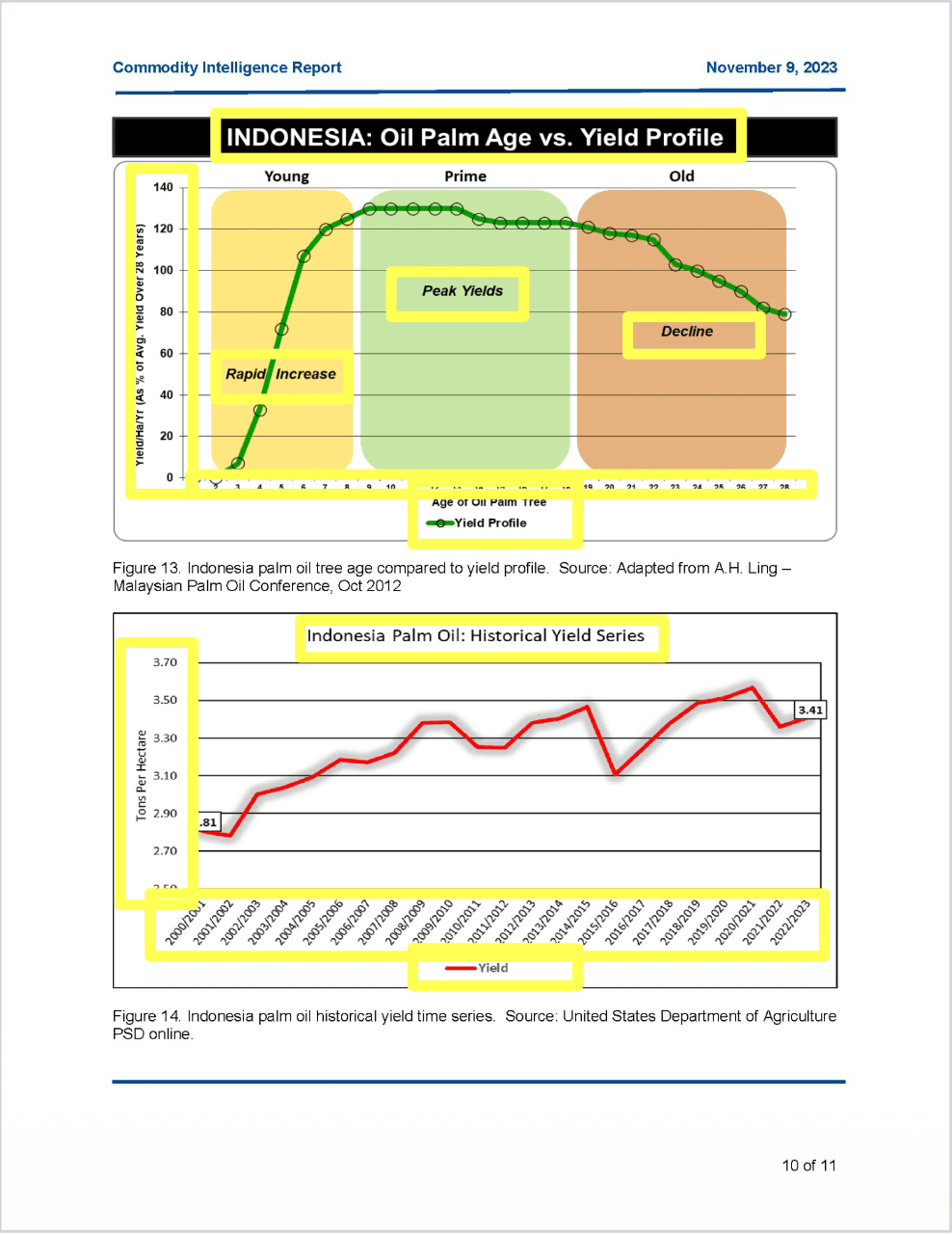
Each piece of content — a yield profile chart, an imagery figure, a data table — was indexed separately and linked back to its source document, creating rich metadata records that preserved context and traceability throughout.
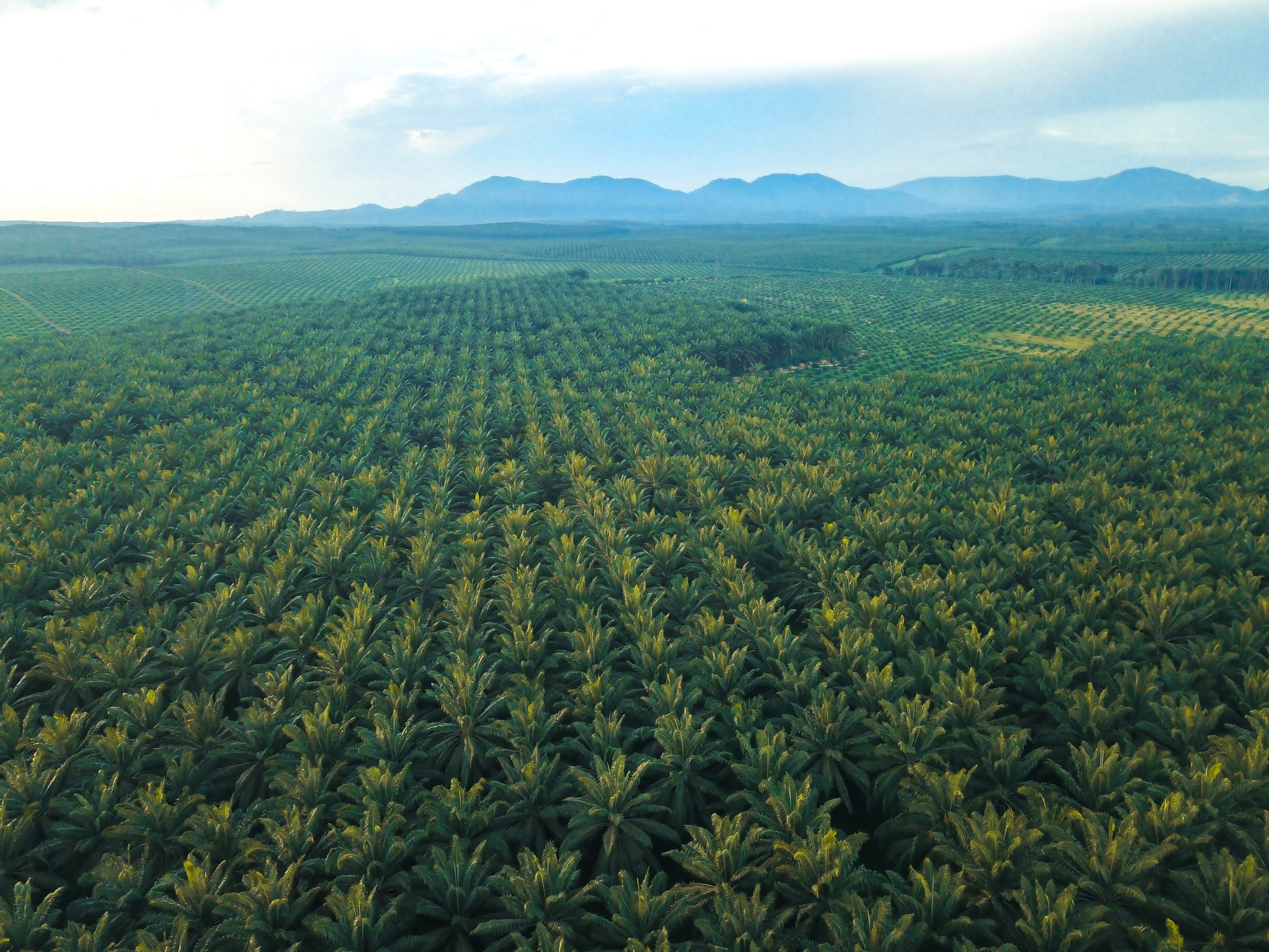
The result was a relationship map between documents and their contained elements. An analyst searching for information on Indonesian palm oil production could surface not just the report, but the specific charts and figures within it — each traceable back to its source, each searchable in the same experience as the surrounding text.
From documents to decisions
The practical impact was a meaningful shift in how FAS analysts work. Rather than navigating separate systems or manually scanning lengthy reports for relevant figures, analysts could locate specific content — a paragraph, a data chart, an image — across the agency's entire document repository in a single query. Intelligence that was technically available but practically inaccessible became part of a connected, searchable knowledge base.
For an agency whose mission depends on timely, accurate intelligence about global agricultural markets, that's not a workflow improvement. It's a capability improvement.
Voyager is the intelligence layer for geospatial analytics and AI — helping organizations make their most complex data assets discoverable, connected, and actionable. The USDA FAS engagement is one example of how Voyager turns document-heavy environments into searchable intelligence, without replacing existing infrastructure or disrupting established workflows.
For a detailed walkthrough of the FAS engagement including screenshots and process detail, you can view the full presentation here:
start a conversation