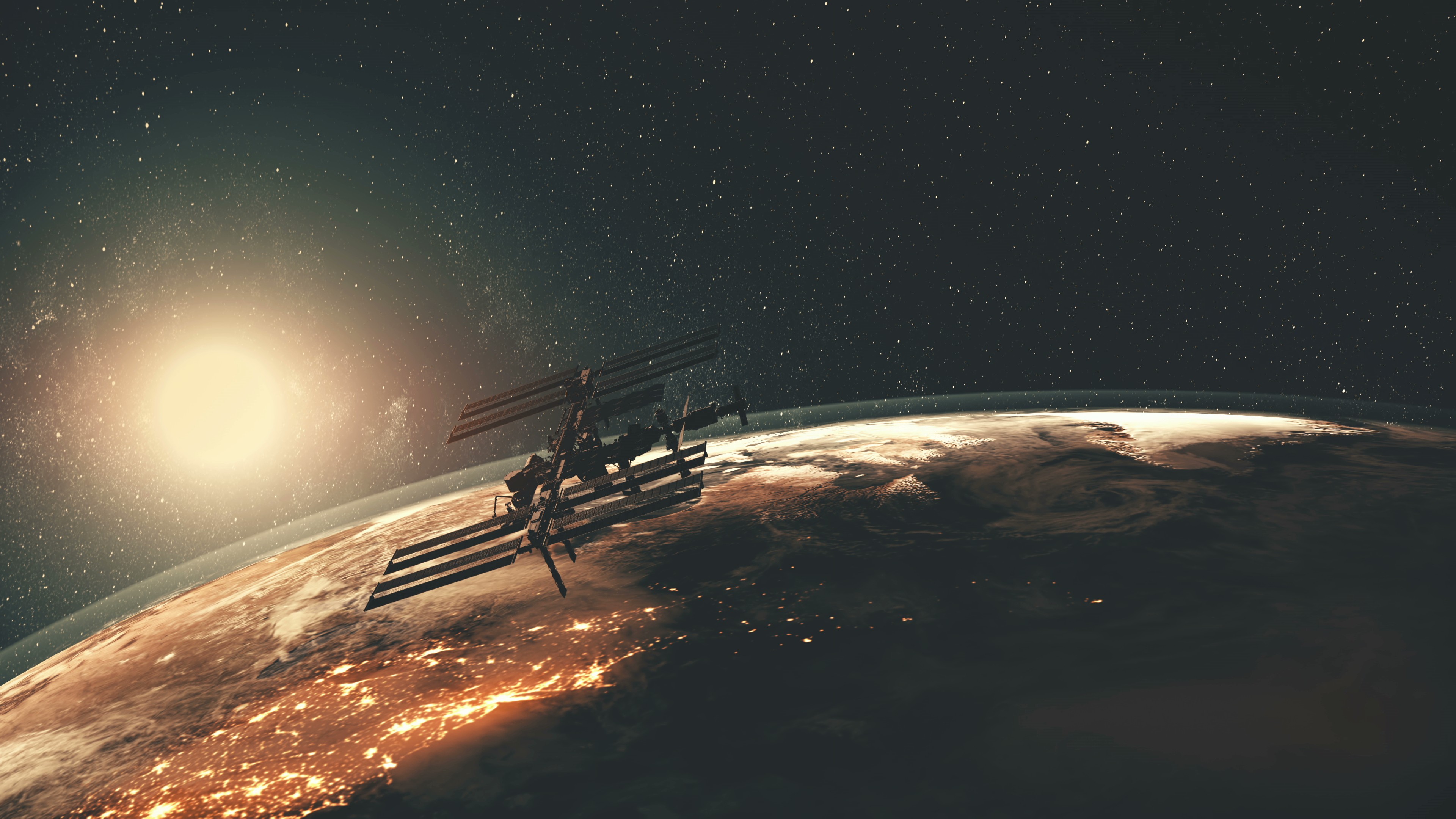
From satellite to decision: what a wildfire reveals about our Earth observation gap
Introduction
Earth observation data rarely fails at the collection step. It fails at the step between collection and decision. Here's what that looks like in practice.
Date
04.24.26
Author
Voyager
Type
Insights
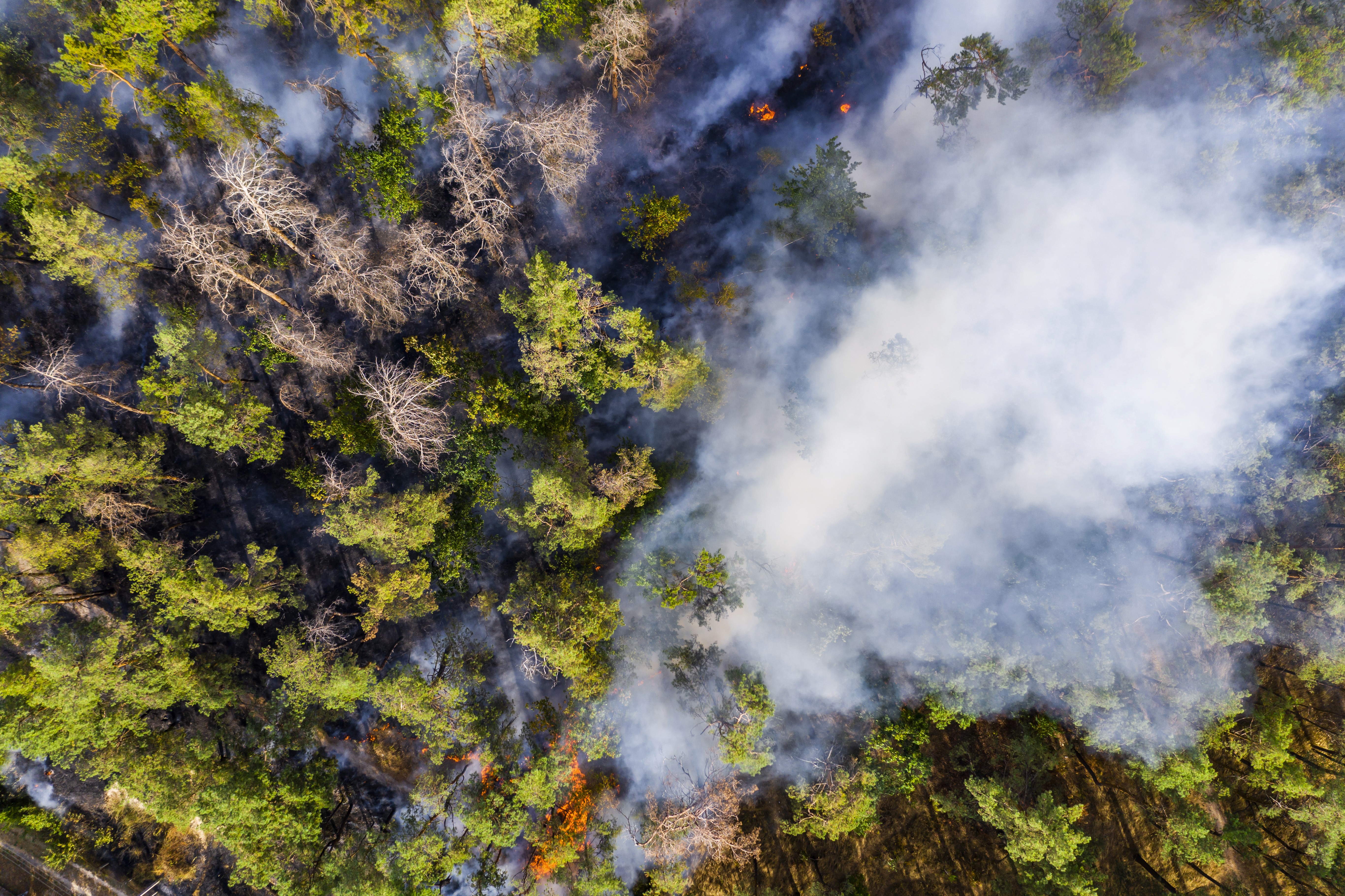
It starts with smoke.
A fire weather watch goes up in the early afternoon. By evening, a spot fire has grown into a running fire. By midnight, it's moving fast enough that the incident commander needs to make a call: which roads stay open, where do the resources go, how far is the perimeter going to move by morning.
Every piece of information that decision depends on exists somewhere.
Satellite imagery updating every 30 minutes. Ground-based weather sensors streaming wind speed and humidity. Road closure data from a state agency system. Historical burn data — the kind that tells you which drainages are likely to channel fire uphill — in a GIS system the incident team may or may not have access to from a forward base.
All of that data exists. None of it is in the same place.
And the incident commander is making a life-safety decision with whatever picture they can assemble in the time they have.
This is the Earth observation gap. Not a gap in data collection. A gap in data connectivity.
We collect more than we can use
The United States has never been better at observing the Earth. Federal agencies operate sophisticated remote sensing infrastructure. Commercial satellite operators have added hundreds of new platforms over the past decade. The volume of Earth observation data available today is, by any measure, extraordinary.
And yet the agencies that need that data most consistently describe the same problem: they cannot access the data they need, when they need it, in a form they can actually use.
The problem isn't collection. It's what happens next — the chain of processes between the data and the decision. Ingestion, normalization, indexing, authentication, discovery, retrieval. In a controlled environment, this chain can be managed. In a forward incident command post during an active wildfire, or a joint field office during a hurricane response, it breaks.
The data exists. The people who need it cannot find it, access it, or integrate it quickly enough to matter.
What connectivity actually looks like
The version of EO infrastructure that works isn't a single platform that replaces everything else. It's a layer that connects what already exists.
During that wildfire response, a connected infrastructure looks like this: the incident commander opens a single interface. Imagery from multiple satellite providers, already indexed and searchable by location and time. Ground sensor data alongside it. Road closures from the state DOT, updated in real time, spatially overlaid on the same map. Historical fire behavior data, searchable by the same geographic identifiers the crew is already using.
No custom integration. No logging into multiple systems. No waiting for someone from another agency to extract and send a file. The data was already there, in the systems where it lived. The intelligence layer made it findable.
This is what connected geospatial data infrastructure can do — and what the absence of it costs, every time a major response relies on improvised data management instead.
Shaping the solution from the inside
Voyager was built to be that intelligence layer — making EO data accessible. Not just collectable, not just storable. Actually accessible: discoverable, searchable, and connectable to the non-spatial data that completes the operational picture.
We work across defense, intelligence, state transportation, and natural resources — where the gap between data and decision carries the highest stakes. And we're contributing to the standards that shape how EO data flows across government, through our GEO membership and our participation in the Earth Observation Collaboration Council under ACT-IAC.
Being inside that conversation matters. The standards being set now will determine how Earth observation data is accessed and shared for years to come.
The decision about evacuations, about crew positioning, about which communities are in the path — it doesn't wait for the data infrastructure to catch up. It gets made with whatever picture is available.
The gap between a good picture and a bad one isn't a gap in data. It's a gap in connectivity.
That's the problem worth solving.
start a conversation